
17 Jul People First: Why the Future of Manufacturing Starts with Humans, Not Machines
At Innovate Business Consulting, we believe the future of manufacturing will not be built by machines alone, it will be shaped by people. While Industry 4.0 is driving extraordinary advancements in automation, AI and digital connectivity, true transformation happens when those technologies are applied through a human lens.
That’s the foundation of our work with clients across the UK and beyond; and the central message of our Managing Director Gareth Bull’s recent book, The Next Generation Factory. Whether it’s digital twins, collaborative robots (cobots) or virtual training academies, the most effective tools are those that empower people, not replace them.
Shifting the Focus from Technology to People
We’re amid a seismic shift in global manufacturing. Businesses are facing pressure to digitise, decarbonise and deliver more with less, all while contending with persistent skills shortages and rapidly shifting market demands.
It’s no wonder many see technology as a ‘cure-all’. But the lesson from decades of industrial evolution is clear; tools only create value when they’re aligned with human potential.
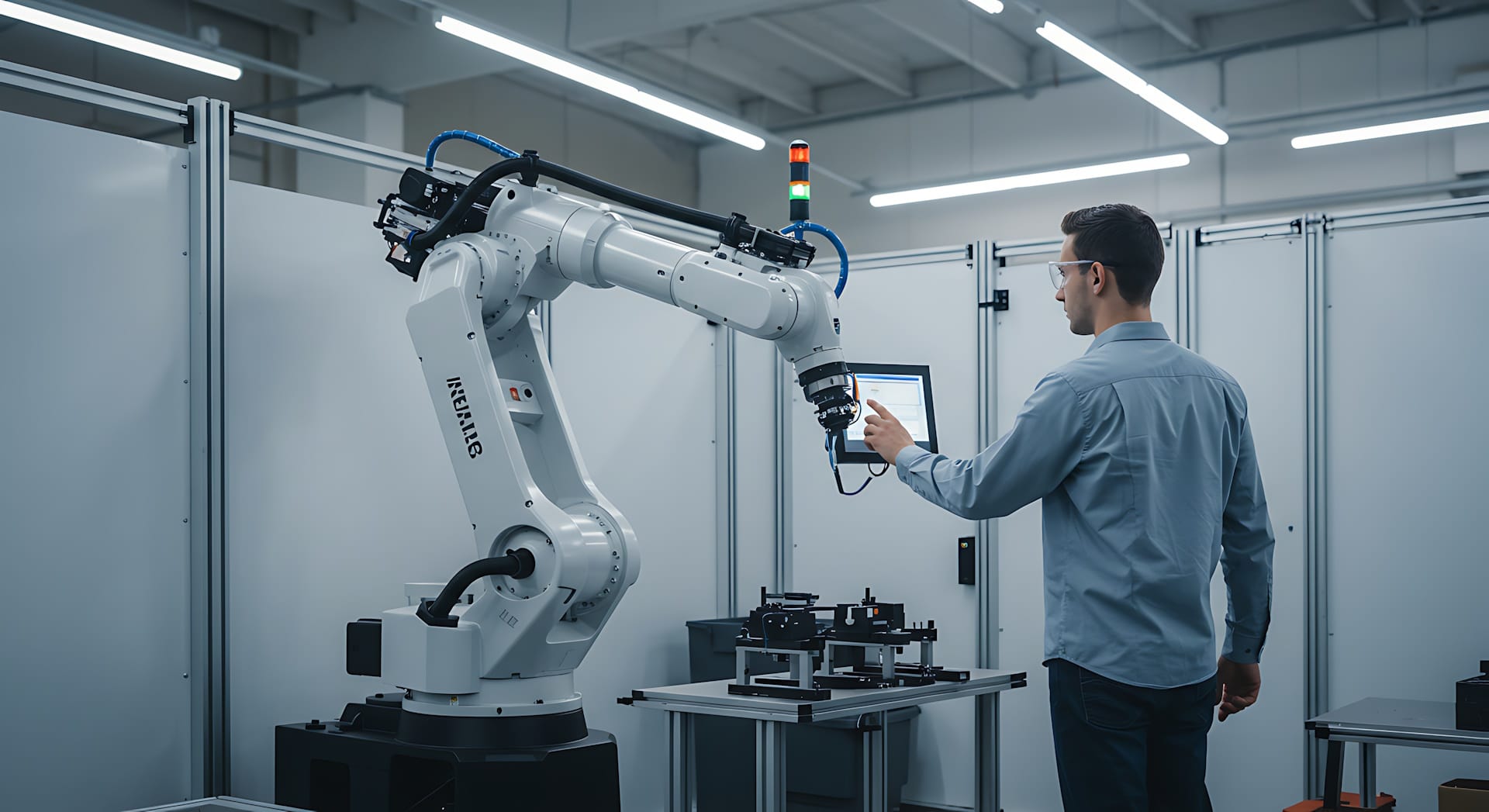
An example that stands out is a steel fabrication client we supported a few years ago in upgrading their outdated welding processes by introducing three collaborative robots (cobots). The immediate outcome was a notable improvement in weld quality and consistency, alongside a measurable increase in revenue driven by operational efficiencies. However, the long-term impact proved even more significant. Experienced welders were retrained and redeployed into higher-value roles, acquiring new technical skills and greater responsibility. The result was not just improved productivity, but a more engaged and future-ready workforce with a renewed sense of purpose.
In another example from The Next Generation Factory, a global pharmaceutical company implemented virtual reality (VR) training for complex aseptic production. The result? Onboarding time was reduced from 27 weeks to 16, with no compromise on safety or compliance. That’s not just efficiency, that’s human-centred innovation.
What History Teaches Us, and Why We Must Evolve
We’ve seen fears around automation before. When Henry Ford introduced the moving assembly line, it revolutionised car production and brought mass manufacturing to the world. But it also introduced punishing conditions and a relentless pace of work. Ford had to double wages to retain his workforce.
This is a powerful reminder; when we implement technology without considering people, we create strain rather than progress.
Today, we have a choice. We can repeat the mistakes of the past, or we can use new tools to build something better. Factories that are not just smart and efficient, but also inclusive, engaging and adaptable.
Where to Begin? Listen First.
For business leaders looking to make their operations more people-first, our advice is simple; Start by asking your people what frustrates them. What slows them down, then fix that first.
Whether it’s digitising a manual task, automating a repetitive process or improving training access, the goal isn’t a sweeping transformation overnight. It’s building trust, showing respect and creating a culture where people are part of the change, not victims of it. This is the most powerful first step in any digital strategy.
Why People-First is Good Business
Placing people at the centre of transformation is not a sentimental choice, it’s a strategic one.
In our consulting work, we see repeatedly that the most resilient and forward-thinking manufacturers are those who empower their teams to lead, adapt and continuously learn. Machines can drive consistency, but it’s people who bring creativity, flexibility and problem-solving.
At Innovate Business Consulting, we help manufacturers embrace digital transformation without losing the human touch. Because at the end of the day, it’s still people who make progress happen. Smart factories don’t run themselves — people do.
Want to learn more?
Gareth Bull’s book ‘The Next Generation Factory’ explores this topic in depth, with case studies, strategies and a practical roadmap for future-ready manufacturing:
Available at:
No Comments